

Intro
If you are topping up your boiler pressure every few days, it is rarely just bad luck. In our day-to-day work across Croydon and nearby areas, repeated pressure loss usually comes down to a small leak, a pressure relief issue, or an expansion vessel problem.
This guide explains what boiler pressure should be, the most common causes we see on callouts, and what you can safely check before booking a visit.
What boiler pressure should be (quick guide)
Most UK combi and sealed system boilers run best when the pressure is around 1.0 to 1.5 bar when cold. After heating has been on, it is normal for pressure to rise a little.
If your boiler keeps dropping below about 0.5 bar, many systems will lock out to protect themselves. If it keeps climbing towards 2.5 to 3.0 bar, that is also a warning sign.
A quick safety note before you start
If you can smell gas, feel unwell, or suspect a carbon monoxide issue, stop and get help immediately. For pressure issues, the checks below are generally safe, but if you are unsure, it is always better to book a Gas Safe engineer.
The most common reasons boiler pressure keeps dropping
1) A small leak somewhere on the system
This is the number one cause we see. Leaks are not always obvious. They can be:
A slow weep on a radiator valve
A pinhole leak under a floor
A leak on pipework near the boiler
A leak at the pressure relief discharge pipe outside
Sometimes the only clue is a stain, a damp patch, or a skirting board that keeps marking.
2) A pressure relief valve (PRV) that is passing
Your boiler has a safety valve that releases water if pressure gets too high. If that valve has been triggered in the past, it can fail to reseal properly.
A common sign is a discharge pipe outside that drips occasionally, especially after the heating has been on.
3) Expansion vessel problems
The expansion vessel manages pressure changes as water heats up and expands. If it loses its air charge or fails internally, pressure can swing up and down.
Typical pattern we see on callouts:
You top up to 1.2 bar cold
Heating comes on and pressure climbs quickly
Boiler dumps water via the PRV
Pressure then drops again and you are back to topping up
4) Recently bled radiators (or ongoing air in the system)
Bleeding radiators releases air, but it also reduces system pressure. If you have bled several radiators recently, you may simply need to top up once.
If you are repeatedly getting air back in the system, that can point to a leak drawing air in, or corrosion and sludge issues.
What you can safely check at home (5 to 10 minutes)
Check 1 - Look at the pressure gauge when cold
Note the pressure first thing in the morning before heating has been on. Then check again after heating has run for 30 to 60 minutes. Write both down.
Check 2 - Look for obvious leaks
Have a quick look at:
Radiator valves and pipe joints
Under the boiler (use a torch)
Any visible pipework
The discharge pipe outside (is it wet or dripping)
If you see water, do not ignore it. Even a small leak can cause repeated pressure loss and long-term damage.
Check 3 - If you topped up recently, check the filling loop is fully closed
We sometimes find the filling loop left slightly open. That can cause pressure to rise and then dump via the PRV, which starts the whole cycle again.
Check 4 - Only top up to the correct pressure
If you keep overfilling, you can trigger the PRV. Aim for roughly 1.0 to 1.5 bar when cold (check your boiler manual if unsure).
When to stop DIY checks and book a Gas Safe engineer
Book a visit if:
You are topping up more than once a month
Pressure drops from normal to near zero within days
The discharge pipe outside is dripping
Pressure rises rapidly when heating comes on
You have any signs of water damage or damp patches
The boiler is frequently locking out
What we do on a pressure-loss callout (so you know what to expect)
On a typical visit, we will:
Check the boiler and system pressure behaviour hot and cold
Inspect for leaks and signs of PRV discharge
Test the expansion vessel charge and condition
Check key components for safe operation
Advise clearly whether it is a repair, a component replacement, or whether further investigation is needed
Author note
Written by Eric Saayeng, Company Director and Lead Field Engineer at Trusted Boilers Ltd. Gas Safe registered (577508). We are a family-run local business, and we work across Croydon, South London and North Surrey.
Need help in Croydon?
If your boiler keeps losing pressure and you want a clear answer without guesswork, get in touch with Trusted Boilers. We will explain what we find in plain English and talk you through your options.

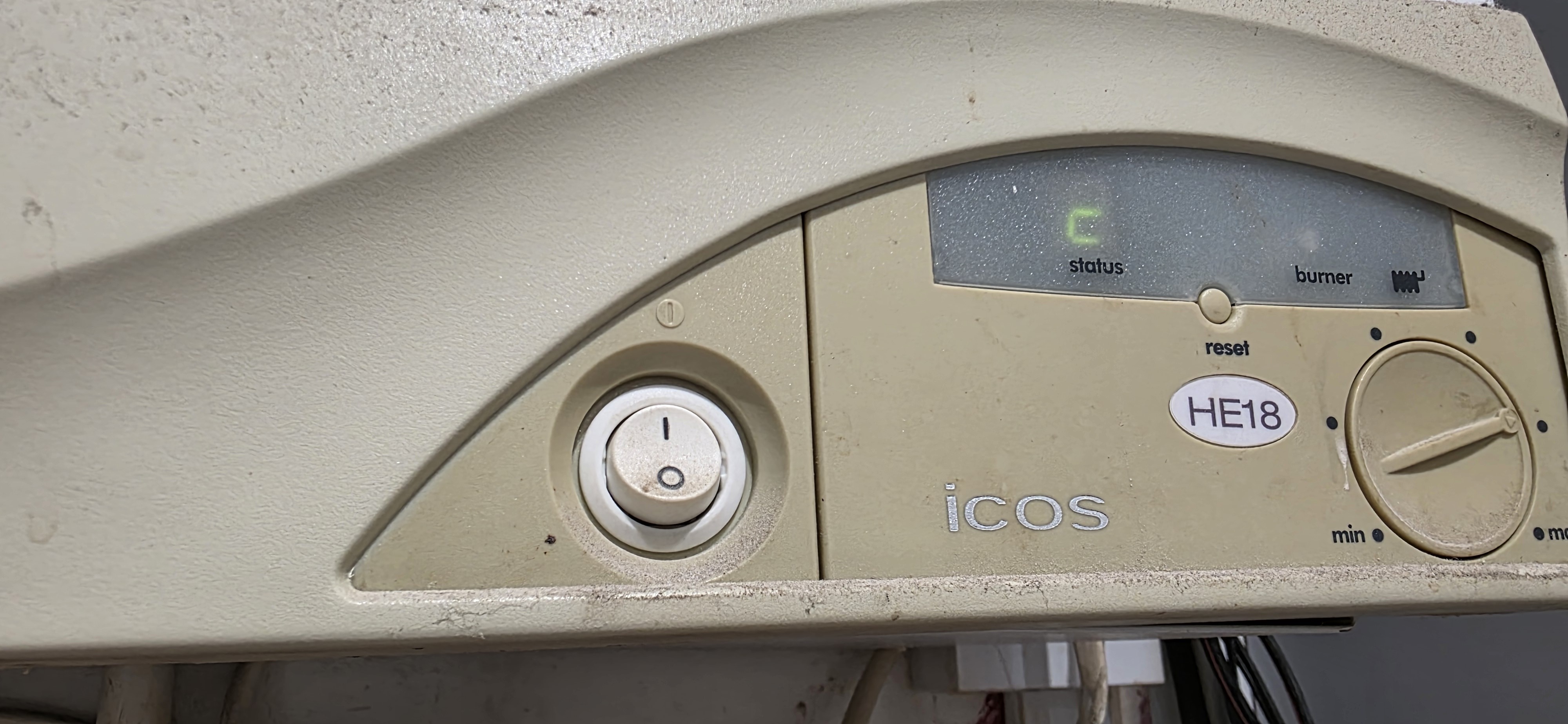
Boiler Fault Codes Explained: What They Mean and When to Call an Engineer
Combi Boiler Service in Sutton & South London | Trusted Boilers
.png)