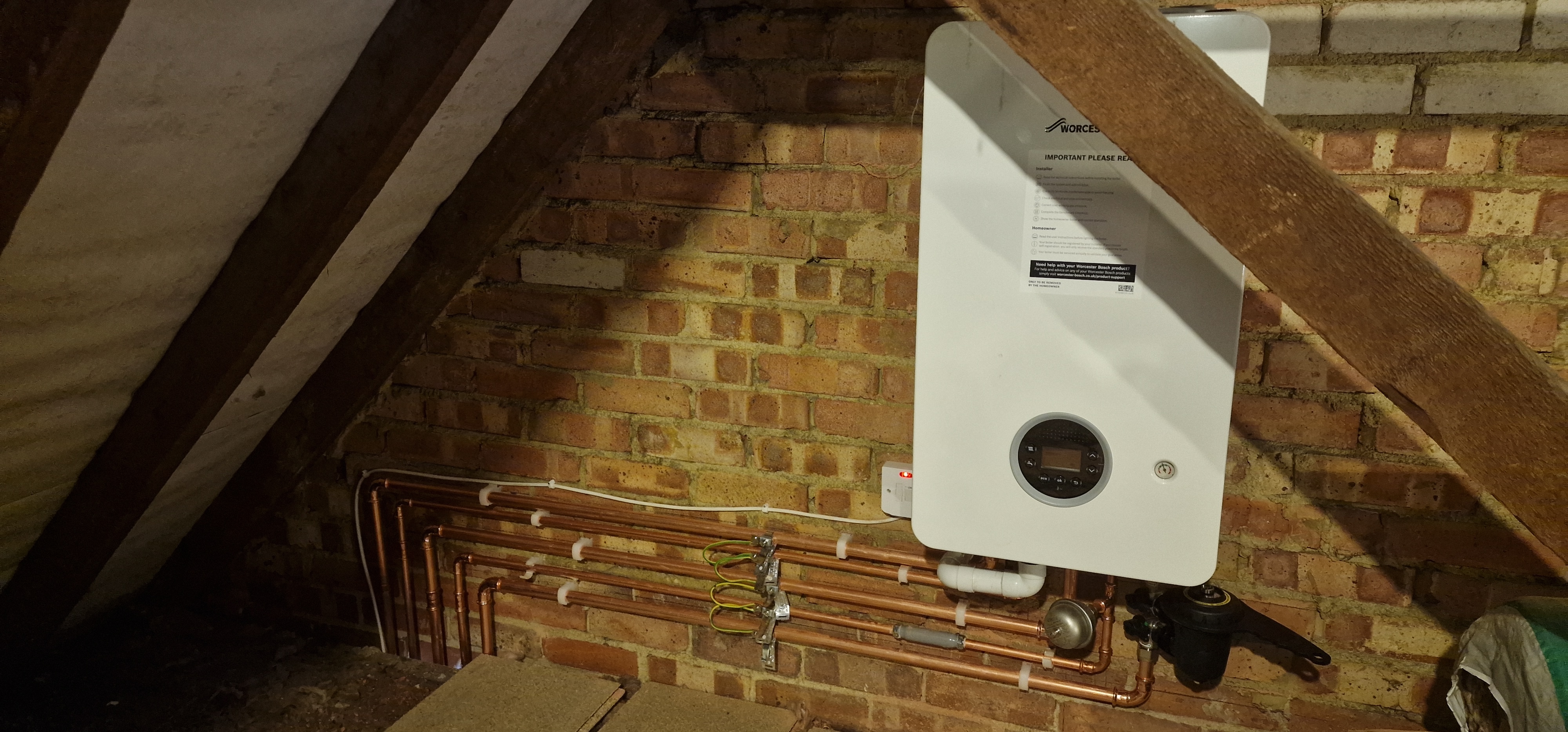
If you are considering a new combi boiler installation, you are in the right place. Whether your current boiler has finally given up the ghost, your energy bills have crept up to painful levels, or you are simply ready for a reliable upgrade, this guide covers everything you need to know - from what a combi boiler actually does, right through to choosing the right installer and what to expect on the day.
We have installed hundreds of combi boilers across South London and North Surrey - in Croydon, Sutton, Wimbledon, Epsom, Tooting, Mitcham, Banstead, and Wallington - so the advice below comes from real experience on real jobs, not a brochure.
What Is a Combi Boiler and How Does It Work?
A combination boiler - or combi for short - does two jobs at once: it heats your home and provides hot water on demand, all from a single compact unit. Unlike older heating systems, a combi does not store hot water in a cylinder. Instead, it heats water directly from the cold mains supply the moment you turn on a tap or shower.
This is why combis have become the most popular boiler type in the UK. They are efficient, they take up far less space than older set-ups, and because they work at mains pressure, you tend to get a stronger, more consistent shower.
Combi vs Heat-Only vs System Boiler: Which Is Right for You?
Understanding the differences will help you make a confident decision rather than just taking the cheapest quote.
Combi boilers suit most modern homes. Because there is no cylinder or cold water tank, they work brilliantly in flats, terraced houses, and smaller semis where space is limited. You only heat water when you need it, which is good for running costs. The one consideration is flow rate - if your household runs multiple hot water outlets at the same time regularly (think a shower and a bath running simultaneously), a large combi can usually cope, but a heat-only system may be worth discussing.
Heat-only (regular) boilers work alongside a hot water cylinder and a cold water tank in the loft. They suit older properties with original pipework, and they are a strong choice if you regularly have high hot water demand across several bathrooms. Replacing like-for-like is often straightforward, but the hardware takes up more space.
System boilers fall somewhere in between. They use a cylinder for hot water storage but do not need a cold water tank, so they suit homes with medium to high demand and more modern pipework. They can supply multiple outlets simultaneously without the pressure drop you might get on a very busy combi.
For most homeowners in South London and North Surrey, a combi is the right answer. But every home is different, and a good installer will tell you honestly if a different type would serve you better.
Who Is a Combi Boiler Best Suited For?
A combi boiler is an excellent choice if you:
Have a one- or two-bathroom home with up to four bedrooms
Live in a flat or terraced house with limited airing cupboard space
Want to remove an old hot water cylinder and free up storage
Value energy efficiency and only want to heat water when you actually need it
Are moving from an old gravity-fed system and want the benefit of mains-pressure hot water
If your property has more than two bathrooms and a busy household using hot water simultaneously, bring this up with your installer. A larger combi model or a system boiler may be the better long-term decision.
The Installation Process: Step by Step
A professional combi boiler installation is a structured process. Here is what it looks like from start to finish.
1. The Survey
Before any work starts, a qualified engineer should carry out a proper survey of your home. At Trusted Boilers, we offer free video surveys as well as in-person assessments - you can even submit photos of your current boiler and pipework so we can begin assessing before we set foot in the door. This is not just a formality. The survey determines the right boiler size (output in kW), flue position, pipework requirements, and any upgrades needed to bring the installation up to current standards.
2. Choosing the Right Boiler
Based on the survey, your engineer will recommend the right model. We work with Worcester Bosch, Viessmann, and Vaillant - three of the most reliable and well-supported brands in the market. These manufacturers back their products with strong warranties and have parts readily available, which matters enormously when something needs attention years down the line.
Boiler sizing is not guesswork. A correctly sized boiler runs efficiently and lasts longer. An oversized boiler short-cycles, wastes energy, and wears out faster. A good installer will calculate the output your home genuinely needs.
3. Preparation and Removal
On the day, the engineer will protect your floors and working area, then drain down the existing system and safely remove the old boiler. If you are switching from a heat-only system to a combi, the cylinder and loft tank will also be decommissioned and removed.
4. Installation and Pipework
The new boiler is fitted and connected to your heating and hot water circuits. Any new pipework runs are made, the flue is installed to vent safely to the outside, and the system is flushed thoroughly to remove debris and old sludge - this is a critical step that protects the new boiler and is required to maintain your manufacturer warranty. A magnetic system filter is typically fitted at this stage too, to catch any future debris before it can cause damage.
5. Commissioning and Testing
Once everything is connected, the boiler is fired up, pressurised, and tested fully. The engineer checks all radiators, verifies hot water flow rate and temperature, confirms flue integrity, and ensures controls and thermostats are set up correctly. This commissioning process is not optional - it is required by the boiler manufacturer and by Gas Safe regulations.
6. Handover and Certification
At the end of the job, you receive a Gas Safe installation certificate, the boiler is registered with the manufacturer for its warranty, and your engineer walks you through the controls so you know how to operate everything. Building Regulations Part J notification is submitted on your behalf.
How Long Does a Combi Boiler Installation Take?
For a straightforward like-for-like swap - combi for combi in the same location - most installations are completed within one day. If you are converting from a heat-only system, or if additional pipework, power flushing, or significant alterations are needed, the job typically takes two to three days. Your installer should give you a clear timescale before work begins, not a vague estimate after it has started.
What to Expect on the Day
A professional installation should feel organised and respectful of your home. Expect the engineer to arrive at the agreed time - we take punctuality seriously at Trusted Boilers because we know how disruptive it is when a tradesperson does not show up when they say they will. Your floors and furniture should be protected, and the working area left clean and tidy at the end of each day.
You should be kept informed throughout. If an unexpected issue comes up - perhaps old pipework that needs replacing or a flue route that needs rethinking - your engineer should stop, explain clearly, and agree a solution with you before proceeding.
At the end of the job, you should have heating and hot water working, a certificate in your hand, and a clear explanation of how to use your new controls.
How to Choose the Right Boiler Brand and Model
Stick with well-supported, manufacturer-accredited brands. Worcester Bosch, Viessmann, and Vaillant are the three we recommend and install. All three offer extended warranties when the boiler is installed and serviced by an accredited engineer - Worcester Bosch currently offers up to 12 years on selected models when installed by a registered installer like Trusted Boilers.
When choosing a model, discuss the following with your installer:
Output (kW) - matched to your home's heat loss calculation, not a generic guess
Flow rate (litres per minute) - important for households with higher hot water demand
Warranty length - and what is required to keep it valid (annual servicing by a Gas Safe engineer)
Smart controls compatibility - if you want to manage your heating from your phone
Avoid being upsold on a boiler that is significantly oversized for your home. Bigger is not always better.
Questions to Ask Your Installer Before You Commit
A trustworthy installer welcomes these questions. If someone is evasive or impatient when you ask them, that tells you something important.
Are you Gas Safe registered? (Ask for their registration number and check it at gassaferegister.co.uk)
Are you accredited by the boiler manufacturer you are recommending?
What does the quote include - labour, parts, flue, controls, flushing, filter, and disposal of the old unit?
How will you size the boiler for my home?
What happens if there are additional issues discovered once the job starts?
Who registers the boiler warranty, and how?
Do you provide a Gas Safe installation certificate?
What Does a New Combi Boiler Installation Cost?
Costs vary based on the boiler model, the complexity of the installation, and whether the system needs additional work such as a power flush or new pipework. As a general guide for South London and North Surrey:
A straightforward like-for-like combi replacement typically falls in the range of £2,000 to £3,500 for a quality boiler from a leading brand, including labour, flue, controls, filter, and all associated work. A full system conversion - removing a cylinder and tank, rerouting pipework, and upgrading controls - can range from £3,500 to £6,000 or more depending on the scope.
Be cautious of quotes that seem unusually low. A properly done installation, with flushing, a filter, manufacturer registration, and a Gas Safe certificate, costs what it costs. Cutting corners at installation stage tends to mean higher repair bills later.
Always get at least two or three written quotes that itemise what is and is not included.
How to Find a Trusted Gas Safe Installer in South London
The Gas Safe Register is the official list of gas engineers legally permitted to carry out gas work in the UK. You can search by postcode at gassaferegister.co.uk to confirm any engineer you are considering is registered and qualified for the work you need. Our Gas Safe registration number is 577508.
Beyond Gas Safe registration, look for manufacturer accreditation. Being accredited by Worcester Bosch, Viessmann, or Vaillant means the engineer has completed additional training with that brand - it is how you unlock the longer extended warranties, and it is a mark of genuine expertise rather than a generic qualification.
Reviews matter too. Read what previous customers say, not just the star rating. Are they talking about reliability, clear communication, and tidy workmanship? Those are the details that reflect how the job will actually go.
Ready to Discuss Your New Combi Boiler?
At Trusted Boilers, we specialise exclusively in boiler installations, servicing, and repairs across South London and North Surrey. Eric Saayeng, our founder and lead engineer, has over 15 years of experience - including his time at British Gas - and every installation we carry out is Gas Safe certified and manufacturer registered.
We offer free video surveys so you can get expert advice without needing to take a day off work. Send us photos of your current boiler and we will come back to you with an honest assessment and a detailed quote.
Click the link to get started. We turn up when we say we will, we explain everything clearly, and we stand behind our work.
- Boiler Service (18)
- Boiler Maintenance (15)
- Boiler Repair (10)
- South London (9)
- Boiler Installation (8)
- Heating advice (8)
- Homeowners (8)
- Boiler Error Codes (7)
- Boiler Safety (4)
- Energy Saving (4)
- Fault Code (4)
- New Boiler Cost (4)
- Gas Safe (3)
- combi boiler (3)
- Boiler Condemned (2)
- Boiler at risk (2)
- Room Thermostat (2)
- Energy efficiency (1)
- SMART thermostat (1)
- June 2026 (2)
- April 2026 (2)
- March 2026 (1)
- February 2026 (2)
- January 2026 (3)
- December 2025 (2)
- November 2025 (2)
- October 2025 (1)
- September 2025 (3)
- August 2025 (2)
- July 2025 (1)
- June 2025 (1)
- May 2025 (1)
- April 2025 (2)
- March 2025 (1)
- February 2025 (3)
- January 2025 (2)
- October 2024 (2)
- September 2024 (2)
- August 2024 (2)
Subscribe to our blog
You May Also Like
These Related Stories
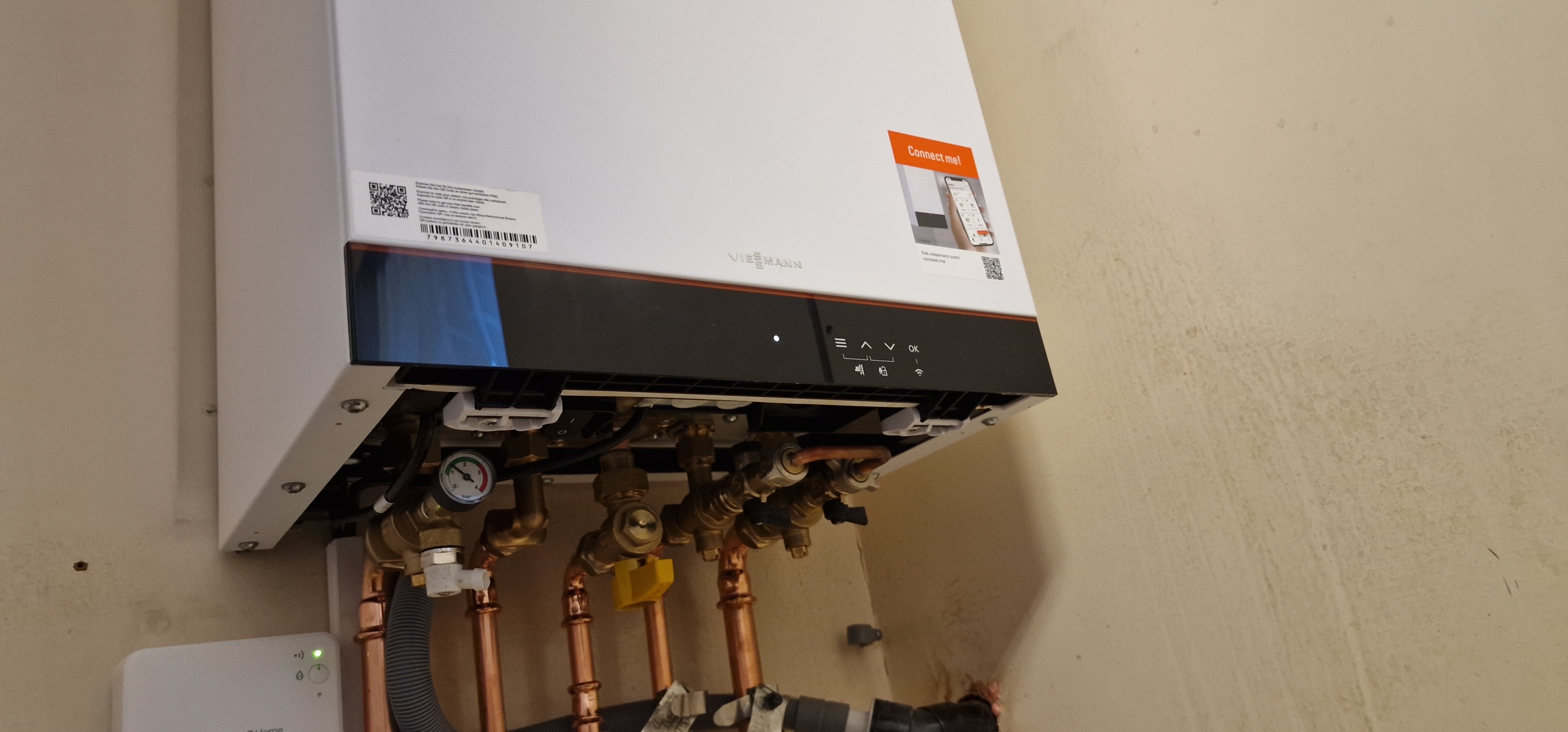
Combi Boiler Repair in Croydon and South London: 7 Common Problems Explained
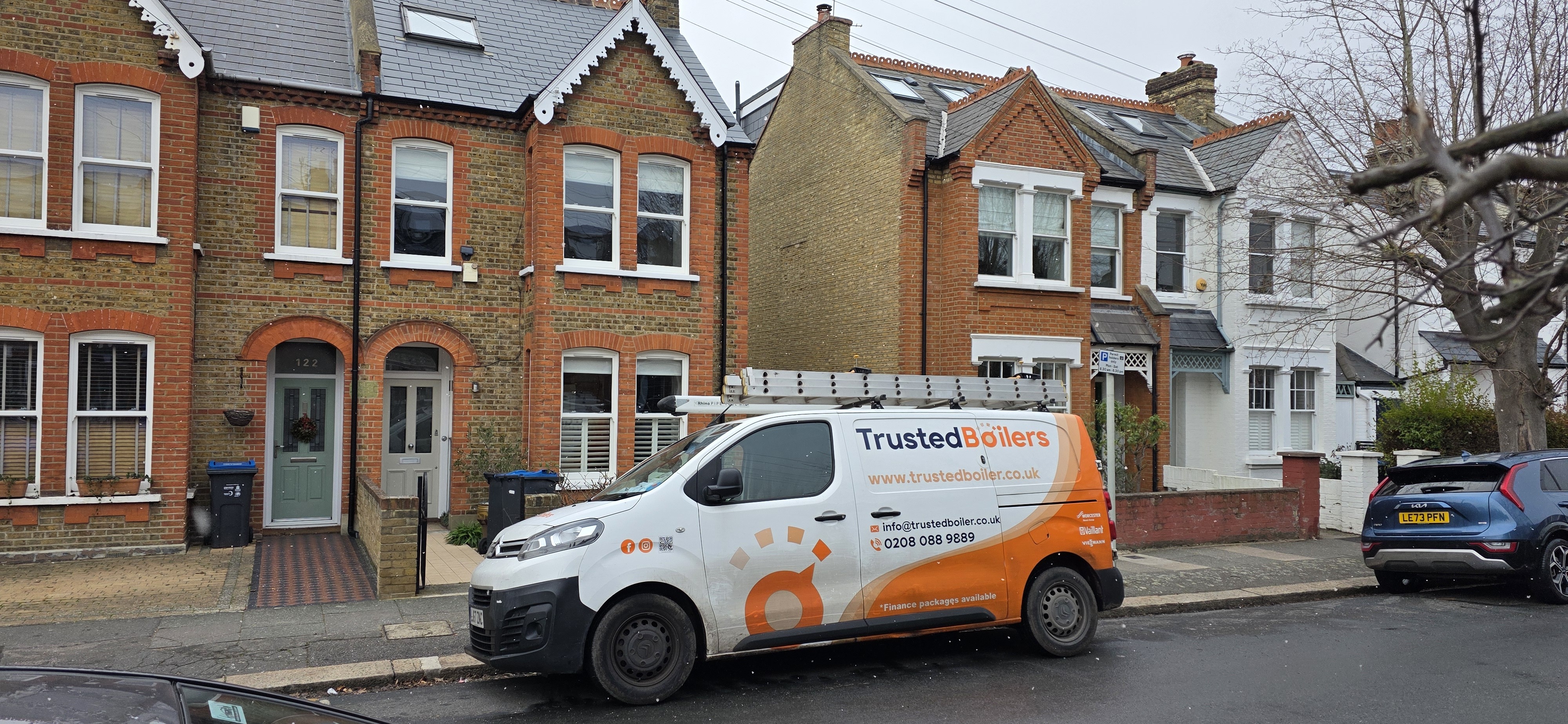
Combi Boiler Service in Sutton & South London | Trusted Boilers